Eco-Friendly Pest Management in North York, ON
If you are in need of pest control North York property owners can count on, eco-friendly methods are a effective option for residences and businesses across North York, ON. Local pest concerns often escalate rapidly in busy neighbourhoods, common living spaces, and active business districts, which is why a thoughtful strategy calls for more than a quick spray. Green pest control focuses on lasting prevention, detailed inspection, and precise solutions that fit current household, pet, and building needs.
From condos near transit routes to detached homes in quieter pockets of the district, North York properties face multiple pest pressures throughout the year. A well-designed program using eco-friendly pest control and integrated pest management can reduce reliance on broad chemical use while still addressing real pest issues. That means effective, non-toxic treatments where possible, plus preventive upkeep that helps preserve both living spaces and business operations.
What Green Pest Control Means in North York
In North York, sustainable pest management is not just about being “natural.” It is a strategic approach that blends eco-friendly pest control, integrated pest management, and carefully chosen non-toxic treatments to resolve pest issues with minimal disruption. The goal is to identify why pests are present, minimize the conditions that support them, and then use the most appropriate low-impact response.
That approach matters in North York, ON, where apartment towers, older houses, retail corridors, and office complexes all create different pest entry and nesting conditions. With integrated pest management, a technician looks at harborage, nesting sites, and attraction sources before deciding on treatment. This makes the service more environmentally responsible and often more effective over time.
A green plan usually includes:
- Careful inspection of the interior and exterior
- Identifying entry points and sealed gaps
- Sanitation guidance to remove food and water sources
- Exclusion work to prevent access
- Monitoring to watch pest activity after treatment
Instead of relying on broad, high-odour applications, green pest solutions often use low-impact and odor-free methods that work well with everyday life in family homes, shared buildings, and customer-facing businesses.
Common Critters in North York Homes and Businesses
North York properties can experience a wide range of pests, and the species often depend on the building type, season, and surrounding land use. In residential areas and commercial districts alike, the most common problems include ants, cockroaches, rodents, and bed bugs.
Ants often enter kitchens, wall voids, and basement spaces searching for food and moisture. In condo settings and multi-unit buildings, small access routes can let them to move between units if shared service lines and wall gaps are not addressed.
Cockroaches are especially troublesome in dense buildings and food-handling environments. They thrive where warmth, moisture, and food residues are available, which makes sanitation and source control essential. Green pest control for cockroaches usually prioritizes inspection, sealing routes, and targeted baiting rather than broad chemical coverage.
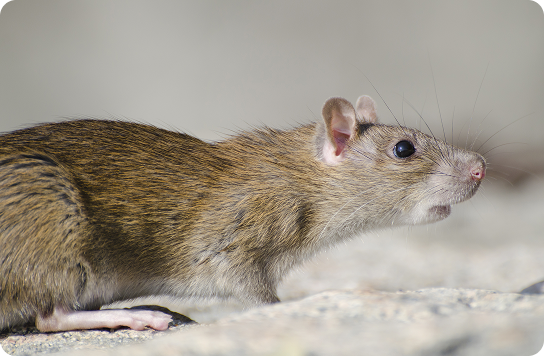
Rodents, including mice and rats, are a major concern across North York. They can use utility penetrations, door gaps, and roofline openings to move in and out of structures. In commercial areas and older homes, they may also exploit cluttered storage and exterior nesting spots.
Bed bugs remain a persistent issue in apartments, condos, and high-turnover properties. Because they spread through travel, furniture movement, and shared access points, early detection is crucial. Heat-based options can be especially helpful for bed bug control when the infestation is localized and the space allows for it.
Other pests also show up in the region, especially during seasonal changes. Wasps can construct nests near eaves and decks, while spiders may gather around lights, garages, and storage areas. In late summer and fall, cluster flies often become a nuisance in upper floors, attics, and wall spaces. A smart pest control North York plan accounts for these patterns instead of treating every issue the same way.
Why Green Pest Control Is a Smarter Fit for Families and Pets
For many households, the biggest benefit of eco-friendly pest control is comfort. Parents want kid-safe pest control that keeps safe children’s daily spaces without adding unnecessary exposure. Pet https://brampton-oncu747.cloudhinter.com/posts/pest-control-in-north-york-neighbourhood-areas-transportation-and-getting-around-tips owners want animal-safe pest control that respects how dogs and cats move through a home, especially in kitchens, basements, and shared outdoor areas.
Green services are often built around low-impact products, targeted placement, and proactive strategies. This means treatment is applied where pests travel or feed, rather than across large living areas. That narrower focus can support a more household-safe and pet-friendly experience.
In many cases, technicians also use longer-lasting applications in a controlled way. The idea is not to saturate the property, but to leave residual protection in locations where pests continue to move through or re-enter. Combined with sanitation and exclusion, this creates a layered approach that is both practical and eco-conscious.
Green pest control works best when it solves the cause, not just the symptom. That means fewer recurring infestations and less disruption for the people and pets living in the space.For families in Willowdale, Bayview Village, and nearby neighbourhoods, that matters because many homes and condos have busy schedules, shared common areas, and limited tolerance for disruptive treatments. A thoughtful, chemical-free and odor-free plan can fit modern living much better than a one-size-fits-all spray program.
How North York pest control Providers Approach Preventive Care
Effective prevention work is the basis of successful pest control North York programs. Across a city district with high-density housing, restaurants, plazas, and transit-connected buildings, pests often come back unless the access and attraction problems are fixed. That is why prevention-focused service begins with a careful inspection and ends with a specific plan for ongoing maintenance.
Service technicians typically start by checking entry points around doors, vents, utility lines, windows, and foundation edges. They look for sealed gaps, damaged screens, unprotected penetrations, and places where pests can squeeze through. In condominium and mixed-use properties, building access and shared walls can create extra challenges, so the inspection must be thorough and tailored to the structure.
Sanitation is another important part of prevention. Spilled food, garbage overflow, pet food, standing water, and clutter all increase pest attraction. In restaurants and offices, even simple sanitation issues can create a persistent problem. In homes, basement storage, laundry rooms, and kitchen cabinets often become hidden pest attractants.
Exclusion is the process of physically blocking pest access. This may include sealing cracks, improving door sweeps, closing gaps around pipes, and reducing exterior nesting opportunities. Exclusion is especially important in North York’s urban density, where pests move between neighbouring structures and use the built environment to spread.
To keep track of activity, many services install monitoring devices. These tools help identify whether pests are still active, where they are travelling, and whether a treatment is working. Monitoring supports a more precise, low-impact response and helps guide future preventive maintenance.
Seasonal Pest Pressure in North York
North York sees a full range of Ontario pest patterns, and the pressure shifts with the seasons. A green pest strategy should follow that seasonal pressure rather than waiting for a major infestation to appear.
Spring infestations are common as insects and rodents wake up after winter. Ants may surface from wall spaces and foundations, while wasps begin building nests in sheltered outdoor spots. Moisture from snowmelt and rain can also send pests toward indoor spaces, especially where there are damp basements or minor leaks.
Summer pests are often associated with food sources, warmth, and increased outdoor activity. Patios, garbage areas, and commercial loading zones can attract ants, wasps, spiders, and flies. In neighbourhoods with busy retail and restaurant traffic, such as around Yorkdale and The Shops at Don Mills, these issues can be especially visible.
Fall rodent control is vital in North York. As temperatures drop, mice and rats look for warmth and shelter inside buildings. Detached homes, condo mechanical areas, retail plazas, and office buildings can all experience increased rodent pressure. Entry points around foundations, garage doors, and service penetrations become especially important at this time of year.
Winter pest prevention should not be ignored simply because outdoor activity decreases. Rodents, cluster flies, and even some cockroach populations can remain active indoors where food, heat, and water are available. Ongoing monitoring and exclusion help keep control during the colder months.
Neighbourhood conditions also matter. In Willowdale, tall residential buildings and mixed-use properties can create shared access concerns. In Downsview, larger lots, storage areas, and commercial-industrial edges may support rodents and overwintering pests. Bayview Village often combines residential density with retail activity, which makes routine inspection and seasonal service especially helpful.

Environmentally conscious Control Options to Look for
Eco-friendly pest control relies on varied solutions depending on the pest, the building, and the level of infestation. A professional plan may include bait stations, gel baits, traps, and in specific cases heat treatment.
Bait stations are commonly used for rodents and some insects. They deliver the active ingredient in a controlled format, reducing exposure while addressing the pest directly. For mice and rats, secure bait stations can be positioned in strategic exterior or utility areas based on the property layout.
Gel baits are usually useful for cockroaches and ants. These are typically applied in cracks, crevices, or other hidden routes where pests forage and travel. Because they are targeted, they support a more low-impact, low-odour approach than broad-surface spraying.
Traps can help with monitoring and control, especially for rodents and bed bugs. They provide useful information about activity levels and movement patterns. In many properties, traps work best as part of a wider custom plan that includes sanitation and exclusion.
Heat treatment can be a solid option for bed bugs when the setup is appropriate. It uses controlled temperature to eliminate bugs in furniture, belongings, and affected areas. For apartments and condos in North York, this method can be effective when combined with preparation and follow-up monitoring.
The best green approach is rarely one single product. It is usually a combination of targeted treatment, preventive maintenance, and practical building improvements that reduce future infestation risk.
Residential & Business Pest Control in North York
North York has a range of building types, and pest control has to reflect that variety. An approach that suits one space may not suit another, especially as shared walls, access to buildings, and occupancy patterns affect how pests spread.
In condos, unwanted pests can travel through wall cavities, plumbing systems, garbage chutes, and common areas. Occupants often need fast service, discreet service, and communication with the building team. Eco-friendly pest control is a strong choice here because it minimizes disruption while focusing on the source of the problem and monitoring.
Detached homes present different concerns. Cellars, roof spaces, carports, and exterior cracks often offer perfect access points for mice, rodents, ants, and spiders. In older North York homes especially, seal-up work and moisture management can make a major difference in ongoing outcomes.
Restaurants require pest control that preserves food safety and customer confidence. Kitchen sanitation, storage practices, delivery areas, and waste handling all influence pest attraction. A green program for a restaurant is usually built around strict inspection, targeted treatment, and regular monitoring rather than broad application.
Office buildings equally take advantage of proactive pest management. Common break rooms, refuse areas, upkeep rooms, and service corridors can all become hidden infestation zones. Because offices often have packed schedules and numerous employees, low-impact service with a well-defined bespoke plan is often the best choice.
Commercial centres around Yorkdale and The Shops at Don Mills, along with combined-use spaces throughout North York, often need planned service that covers both front-of-house areas and operational risks. The goal is to defend day-to-day activity while keeping the pest strategy efficient and unobtrusive.
Choosing a Local North York Pest Control Company
Choosing a community company is important because pest pressure in North York is affected by dense buildings, public transit access, and seasonal changes. A strong provider should have licensed technicians who know the local environment and can tailor the treatment to your property type.
Look for a company that starts with a thorough inspection rather than a simple quote. The technician should determine pest species, access routes, nesting areas, and the conditions that are sustaining the problem. Without that first step, treatment is often short-term.
A reputable company should also offer a custom treatment plan. This plan should reflect whether you are dealing with mice in a detached home, cockroaches in a condo, or ants and wasps around a business property. The best plans pair targeted treatment with preventive maintenance, monitoring, and exclusion work.
A service guarantee can also matter, especially when pests are persisting in multi-unit buildings or on larger commercial sites. While no company can control every outside factor, a good guarantee shows dedication to follow-up and results.
For homeowners and business operators in North York, ON, a local company should also be familiar with how to work around shared walls, access restrictions, and building management procedures. These details are often what distinguish a fast patch from a lasting solution.
When to Call for Green Pest Control Help
It is best to call right away, before a small issue becomes a larger infestation. The most common early warning signs include droppings, unusual odours, scratching sounds in walls or ceilings, gnaw marks, and damaged packaging. These signs often show up before pests are seen directly.
Droppings are one of the clearest indicators of rodent activity, especially in kitchens, storage rooms, and basements. If you find them near food or along walls, you likely have active travel routes that need attention.
Chewed wires are a serious concern because rodents can damage insulation and create electrical risks. This is particularly important in older homes, service rooms, and commercial buildings where wiring runs through hidden spaces.
Live sightings of mice, rats, cockroaches, or bed bugs should be treated as a prompt to act quickly. Seeing one pest often means additional are nearby. In dense North York buildings, pests can also move between units or shared spaces, so fast response helps reduce spread.
Reach out for support if you notice repeated activity in the same area, especially after tidying up or temporary DIY steps. A skilled green pest control approach can pinpoint the source, use targeted treatment, and develop a plan for durable control.
In communities like Willowdale, Downsview, and Bayview Village, and in busy retail areas near Yorkdale and The Shops at Don Mills, pest issues can emerge differently depending on the property layout. That is why practical, local service matters. Whether the concern is mice in a basement, ants in a kitchen, or bed bugs in a condo, the right pest control North York strategy should be built around inspection, sanitation, exclusion, and monitoring.
FAQ
What is green pest control and how does it work in North York?
Green pest control is a prevention-focused approach that uses eco-friendly pest control methods, integrated pest management, and targeted treatment to minimize pests with less disruption. In North York, it works by combining inspection, sanitation, exclusion, monitoring, and carefully chosen non-toxic or low-impact products based on the property and pest type.
Is green pest control safe for kids and pets?
Yes, when it is applied correctly, green pest control is designed to be child-friendly pest control and safe for pets. Technicians typically use low-toxicity products, targeted placement, and odor-free methods to reduce exposure while still controlling the infestation. Always follow the technician’s instructions for re-entry and preparation.
What pests are most common in North York homes?
The most common pests in North York homes include ants, cockroaches, rodents, mice, rats, bed bugs, wasps, spiders, and cluster flies. The exact problem often depends on the season, the building type, and whether there are entry points, moisture issues, or sanitation concerns.
How often should I schedule pest control in North York?
How often you need service depends on the property and pest pressure. Many homes benefit from routine preventive service, while condos, restaurants, and office buildings may need more regular inspections and inspection. In North York, regular service is especially helpful during spring infestations and fall rodent control periods.
Will green pest management manage serious infestations?
Absolutely, green pest control can manage serious infestations when the plan is built correctly. In tougher cases, the technician may use a blend of baiting systems, gel treatments, traps, heat treatment, exclusion, and monitoring. Major infestations usually require a custom plan and subsequent visits to address both the pests and the conditions that caused them to spread.